
Tomb Raider 4 U
Visitez notre site web pour une couverture exhaustive de tout ce qui concerne Tomb Raider et Lara Croft. De la dernière actualité des jeux vidéo aux analyses détaillées des films, en passant par des exclusivités sur les coulisses et les interviews avec les créateurs, notre plateforme est votre destination incontournable pour tout savoir sur cette franchise emblématique et son héroïne légendaire.

Tomb Raider 4 U le site dédié à l’univer de Lara Croft !
Dès ma première rencontre avec Lara Croft et les mystérieuses ruines de Tomb Raider, j’ai été captivé. Je me rappelle avec nostalgie ces soirées passées à explorer des temples anciens et à résoudre des énigmes complexes, chaque découverte alimentant ma curiosité et mon amour pour cette série emblématique.
L’audace et l’intelligence de Lara, bravant les dangers pour dévoiler les secrets enfouis, m’ont inspiré. J’ai suivi ses aventures à travers différentes époques et continents, m’imprégnant de l’histoire et de la culture que chaque nouvel épisode offrait.
Fasciné par cet univers, j’ai plongé dans les coulisses de Tomb Raider, apprenant tout sur son développement, ses inspirations, et son impact culturel. Cette quête de connaissance a enrichi ma compréhension et mon appréciation de la série.
C’est avec cette passion et cette expertise que j’ai créé ce site dédié à Tomb Raider. Ici, vous trouverez des analyses détaillées, des anecdotes de développement, et des guides pour les joueurs de tous niveaux. Si vous êtes aussi un admirateur de Lara Croft et de ses aventures, ce site est votre portail vers ce monde d’aventure et de mystère.
Venez explorer l’univers de Tomb Raider et partager votre passion sur TombRaider4U.com !
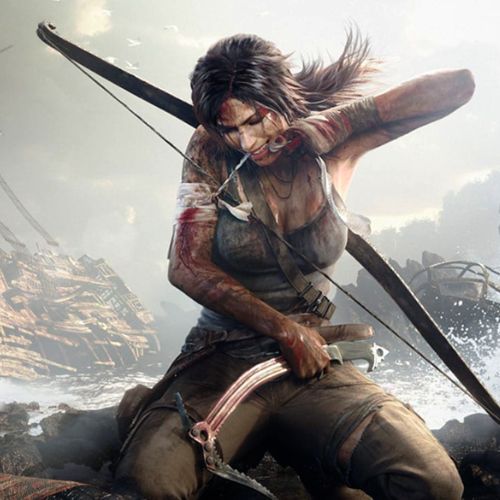
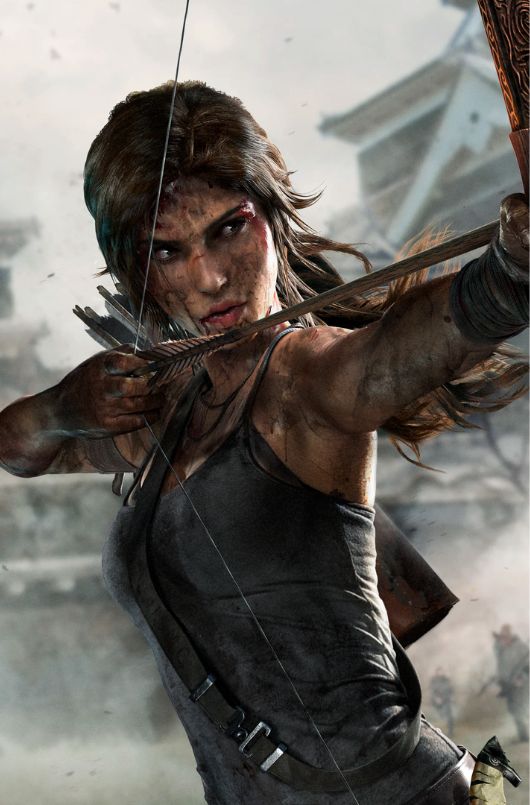
Ma fascination pour Tomb Raider a débuté non pas dans l’enfance, mais à l’adolescence, lorsqu’une simple session de jeu a évolué en une passion dévorante. Ce n’était pas seulement le jeu, c’était le caractère de Lara Croft, une héroïne intrépide, et les mystères enfouis dans des tombeaux reculés qui captivaient mon imagination.
Avec chaque nouvelle aventure, mon intérêt pour l’histoire riche et les défis complexes de Tomb Raider s’est approfondi. De l’escalade de falaises périlleuses aux courses dans des ruines oubliées, chaque niveau était une nouvelle page dans le grand livre des légendes de Lara.
Ce site, TombRaider4U.com, est né de ce désir ardent de partager et de célébrer tout ce qui concerne Tomb Raider. Des guides de stratégie pour les derniers jeux aux retrospectives sur l’évolution de la série, en passant par des analyses de la mythologie et de l’archéologie qui inspirent les histoires, ce site est un hommage à l’univers de Tomb Raider.
Si Lara Croft vous inspire autant qu’à moi, si les mystères anciens et les aventures palpitantes vous appellent, alors LaraLegends.com est votre destination. Rejoignez-nous dans la célébration de cette série iconique et explorez les profondeurs de Tomb Raider !

Découvrez l’univers de Tomb Raider à travers ses adaptations cinématographiques. Plongez dans des critiques détaillées, explorez les coulisses de la production et revivez les moments emblématiques de Lara Croft sur grand écran.
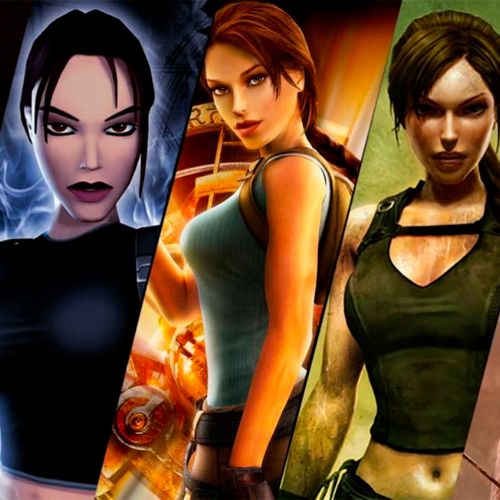
Cette catégorie est dédiée aux jeux vidéo Tomb Raider, des classiques aux dernières sorties. Trouvez des guides de jeu, des astuces pour les puzzles complexes, et des discussions sur les évolutions du gameplay et de la narration dans la série.

Explorez tout ce qui concerne Lara Croft, l’icône et le cœur de Tomb Raider. De son évolution en tant que personnage à son impact culturel, cette section célèbre la légendaire aventurière qui a défini une génération de jeux vidéo.
Nos derniers articles !
- meilleur pc gamer

- meilleur carte graphique gamer rapport qualité/prix

- meilleur composant pc gamer

- meilleur ecran gamer

- meilleur tapis de souris gamer

- meilleur souris gamer

- meilleur pc portable gamer

- meilleur fauteuil gamer

- meilleur casque gamer

Qui est Tomb Raider ?
Tomb Raider est bien plus qu’une simple série de jeux vidéo ; c’est une franchise culturelle emblématique qui a marqué profondément l’industrie du divertissement. Depuis le lancement du premier jeu en 1996, Tomb Raider s’est imposé comme une référence incontournable dans le monde des jeux d’aventure, en révolutionnant le genre grâce à son mélange unique d’action, d’exploration et de résolution d’énigmes.
L’un des éléments les plus marquants de Tomb Raider est son personnage principal, Lara Croft. En tant que l’une des premières héroïnes principales dans l’histoire du jeu vidéo, Lara Croft a non seulement redéfini les attentes et les représentations des personnages féminins dans ce médium, mais elle est également devenue une icône pop culturelle à part entière. Sa présence dans la franchise a eu un impact culturel considérable, influençant non seulement d’autres jeux vidéo, mais aussi des films, des bandes dessinées, et même la mode.
La popularité de Tomb Raider ne s’est pas démentie au fil des années. Chaque nouvelle sortie de jeu est attendue avec impatience par une communauté de fans dévouée et attire régulièrement de nouveaux joueurs. Les adaptations cinématographiques, bien que reçues avec des réactions mitigées, ont contribué à élargir l’audience de la franchise et à renforcer son statut de phénomène culturel.

Origines et Évolution des Jeux Vidéo Tomb Raider
Débuts et Succès Initial
Le premier jeu Tomb Raider, lancé en 1996, a marqué un tournant décisif dans l’histoire des jeux vidéo. Développé par Core Design et édité par Eidos Interactive, ce titre a présenté au monde Lara Croft, une archéologue britannique audacieuse et indépendante, rapidement devenue une des figures les plus emblématiques du jeu vidéo.
Avec ses graphismes 3D révolutionnaires pour l’époque, Tomb Raider a proposé une expérience immersive novatrice, mêlant exploration, action et résolution d’énigmes. Cette formule a non seulement redéfini le genre aventure, mais a aussi eu un impact profond sur la façon dont les histoires et les personnages étaient dépeints dans les jeux vidéo.
Évolution et Réinventions
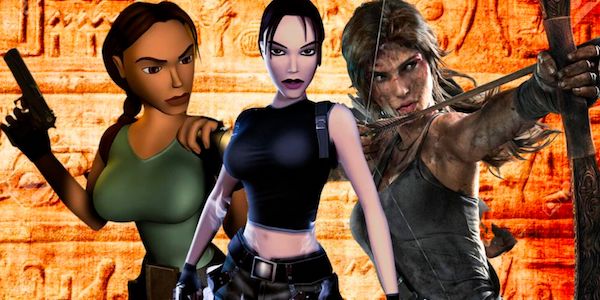
Au fil des ans, la série Tomb Raider a connu plusieurs évolutions, tant dans son gameplay que dans sa narration. Chaque nouvel opus a apporté des améliorations graphiques, de nouvelles mécaniques de jeu et une trame narrative plus élaborée. Cette constante réinvention a permis à la série de rester pertinente et captivante pour les joueurs.
Les trilogies récentes (2013-2018), qui incluent Tomb Raider (2013), Rise of the Tomb Raider (2015) et Shadow of the Tomb Raider (2018), ont représenté un renouveau significatif pour la franchise. Ces jeux ont été salués pour leur approche plus mature et réaliste, mettant en scène une Lara Croft plus jeune, confrontée à des défis qui forgeront son caractère d’aventurière.
Impact Culturel et Innovations
L’impact culturel de Lara Croft et de Tomb Raider est indéniable. Lara est devenue une icône féminine dans un domaine traditionnellement dominé par des personnages masculins, inspirant une génération de joueurs et contribuant à un changement progressif dans la représentation des femmes dans les jeux vidéo.
En termes d’innovations, Tomb Raider a été pionnier dans l’intégration d’éléments de gameplay en 3D, dans la construction d’environnements vastes et explorables, et dans la narration cinématographique. Ces innovations ont influencé de nombreux jeux qui ont suivi, établissant de nouveaux standards pour les jeux d’aventure et d’action-aventure.
En savoir plus sur les jeux :
Les Adaptations Cinématographiques de Tomb Raider
Les Films avec Angelina Jolie
“Lara Croft: Tomb Raider” (2001) et “Lara Croft Tomb Raider: Le Berceau de la Vie” (2003), avec Angelina Jolie dans le rôle de Lara Croft, ont marqué la première incursion de la franchise dans l’univers cinématographique. Ces films ont eu un impact significatif sur la perception de la franchise et de son personnage principal.
Bien que l’accueil critique ait été mitigé, ils ont joué un rôle crucial dans la popularisation de la franchise au-delà du monde du jeu vidéo, et Angelina Jolie a été largement saluée pour sa représentation charismatique et dynamique de Lara Croft.
Le Reboot avec Alicia Vikander
En 2018, la franchise a été relancée avec “Tomb Raider”, mettant en vedette Alicia Vikander dans le rôle de Lara Croft. Ce film a été conçu comme un reboot, s’alignant plus étroitement sur la trilogie de jeux de 2013-2018, avec une Lara Croft plus jeune et moins expérimentée.
La comparaison entre ce film et les précédents, ainsi qu’avec la série de jeux, montre une évolution notable dans la représentation du personnage, avec un accent sur un récit plus réaliste et nuancé.
Analyse de l’Adaptation
L’adaptation d’un jeu vidéo en film présente des défis uniques, notamment en termes de fidélité à la source originale et de traduction des éléments interactifs en une expérience narrative linéaire. Les films Tomb Raider ont rencontré des degrés divers de succès dans cette entreprise.
Ils ont réussi à capturer l’essence de l’aventure et de l’excitation présentes dans les jeux, mais ont parfois lutté pour équilibrer les attentes des fans avec les exigences d’un film grand public.

En savoir plus sur les films :
Les Actrices Derrière Lara Croft
Angélina Jolie
L’interprétation d’Angelina Jolie en tant que Lara Croft dans les films “Lara Croft: Tomb Raider” (2001) et “Lara Croft Tomb Raider: Le Berceau de la Vie” (2003) a eu un impact monumental tant sur sa carrière que sur la perception du personnage.
Sa performance, alliant force physique, charisme et sens de l’aventure, a non seulement incarné à la perfection l’image de Lara Croft telle qu’elle était connue des fans des jeux vidéo, mais a aussi contribué à façonner l’image d’une héroïne d’action féminine forte dans le cinéma. Cette représentation a eu un effet durable sur la carrière de Jolie, la positionnant comme une actrice capable de jouer des rôles physiquement exigeants et de mener des franchises cinématographiques à succès.
Alicia Vikander
Alicia Vikander, reprenant le rôle dans le reboot “Tomb Raider” de 2018, a adopté une approche différente du personnage de Lara Croft. S’alignant davantage sur la version plus jeune et inexpérimentée de Lara vue dans les jeux récents, Vikander a présenté une Lara Croft plus vulnérable et relatable, mettant l’accent sur son développement et sa croissance en tant qu’aventurière.
La réception de son interprétation a été largement positive, bien que souvent comparée à celle d’Angelina Jolie. Les critiques et les fans ont apprécié la profondeur émotionnelle et la complexité que Vikander a apportées au personnage, bien que certains aient regretté l’absence du côté plus grandiose et exagéré du personnage tel qu’interprété par Jolie.

En savoir plus sur Lara Croft :
Ne ratez rien de l’actualité Tomb Raider en vous inscrivant à notre Newsletter :
Les numéros 1 sur Tomb Raider !